OUR BLOGS
Find our all blogs from here
our blogs are written from very research research and well known writers writers so that we can provide you the best blogs and articles articles for you to read them all along
Business
25 June 2026
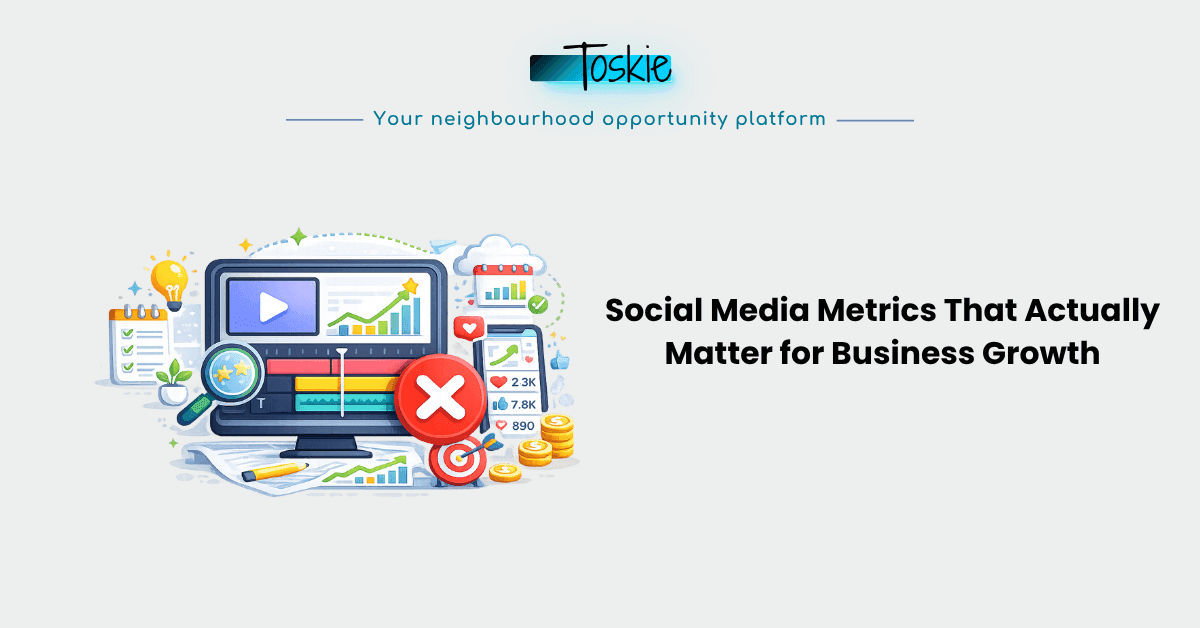
Social Media Metrics That Actually Matter for Business Growth
High follower counts do not always mean business success. The most valuable social media metrics measure engagement, customer actions, and business outcomes. Tracking the right metrics helps businesses make smarter marketing decisions and support long-term growth.
Startup
25 June 2026
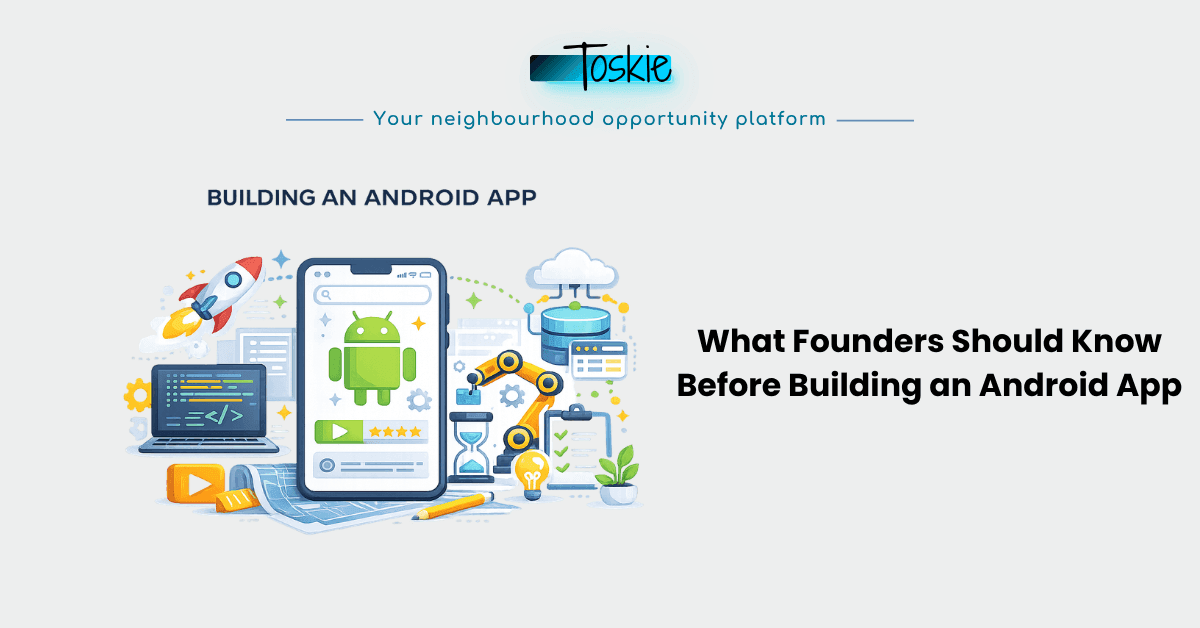
What Founders Should Know Before Building an Android App
Building an Android app involves more than writing code. Founders need to understand their target audience, product goals, development requirements, and long-term strategy before investing resources. Careful planning helps reduce risk, improve user experiences, and support future growth.
Business
25 June 2026
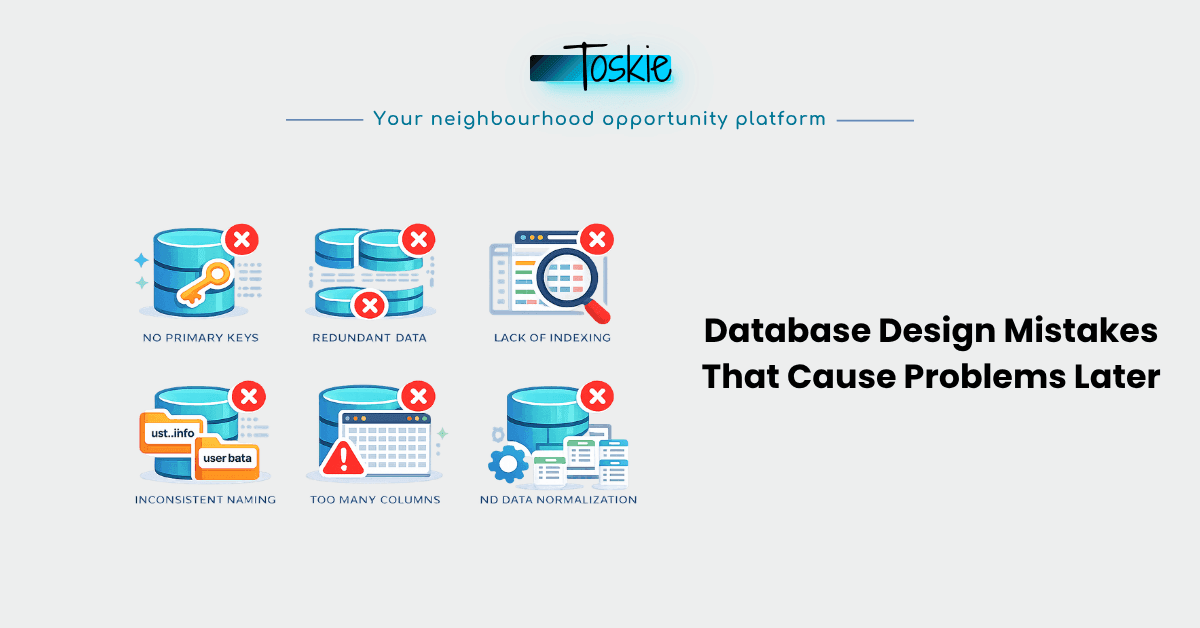
Database Design Mistakes That Cause Problems Later
Many database problems do not appear during the early stages of a project. They emerge later as data volumes grow, users increase, and business requirements evolve. Understanding common database design mistakes helps organizations build systems that remain scalable, reliable, and efficient over time
UI/UX Design
25 June 2026
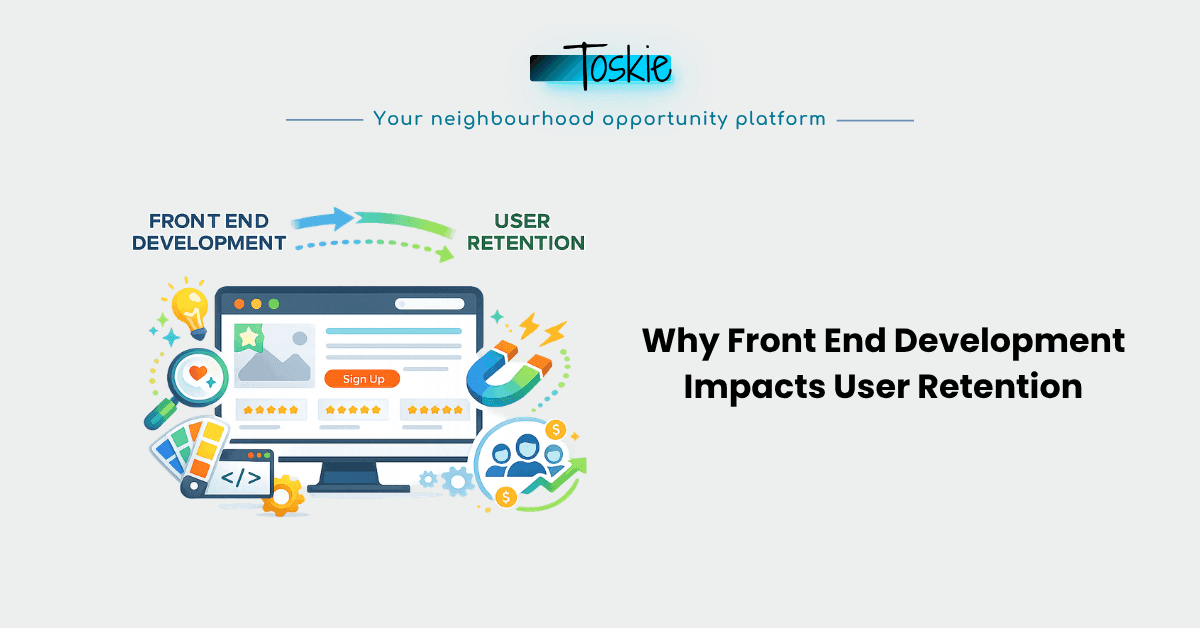
Why Front End Development Impacts User Retention
User retention depends on more than products and services. The quality of a website or application's front end directly affects how users interact with a business. Fast, responsive, and intuitive interfaces often encourage users to stay longer, return more frequently, and engage more deeply.
UI/UX Design
25 June 2026
Why Visitors Leave Websites Within the First Few Seconds
Most website visitors decide whether to stay or leave within a matter of seconds. Slow loading times, confusing messaging, poor design, and unclear value propositions often drive users away before they explore further. Understanding these issues can significantly improve engagement and conversions.
Startup
22 June 2026
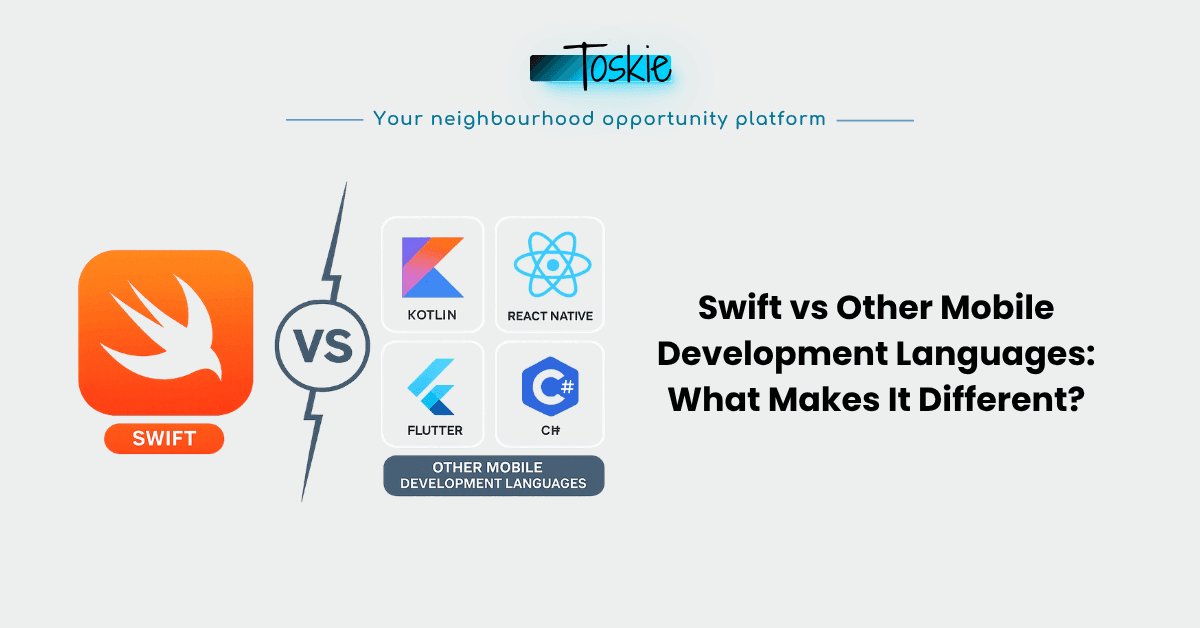
Swift vs Other Mobile Development Languages: What Makes It Different?
Swift has become one of the most important languages in mobile development, particularly within the Apple ecosystem. While other languages support mobile app development across platforms, Swift stands out for its performance, safety features, and seamless integration with iOS development tools.